
You’ve spent months, maybe years, on a manuscript. Then you hear about a writer whose Google Doc got scrapped, whose beta reader shared chapters in a Discord server, or whose pitch to an agent showed up, suspiciously similar, in someone else’s query a year later. Suddenly “back up your files” doesn’t feel like enough.
Here’s the good news: under U.S. law, you already own the copyright to your draft the moment you write it. The bad news is that owning a right and being able to enforce it are two very different things. This guide walks through what actually protects a manuscript, what’s mostly theater, and what to do if you think someone has already taken your work, plus how American Publishers can handle the verification, NDA, and copyright steps for you if you’d rather not manage them alone.
Do You Automatically Own the Copyright to Your Draft?
Yes. Under the Copyright Act (17 U.S.C. § 102), copyright protection exists the moment an original work is “fixed in a tangible medium”, meaning as soon as you type it, save it, or print it. You don’t need to publish it, mail it to yourself, or add a copyright symbol for the protection to exist.
What you don’t automatically get is the ability to sue for infringement or collect statutory damages. For that, the U.S. Copyright Office needs a registration on file. That distinction is the whole reason this guide exists, so keep it in mind as you read on.
Step 1: Register Your Manuscript With the U.S. Copyright Office
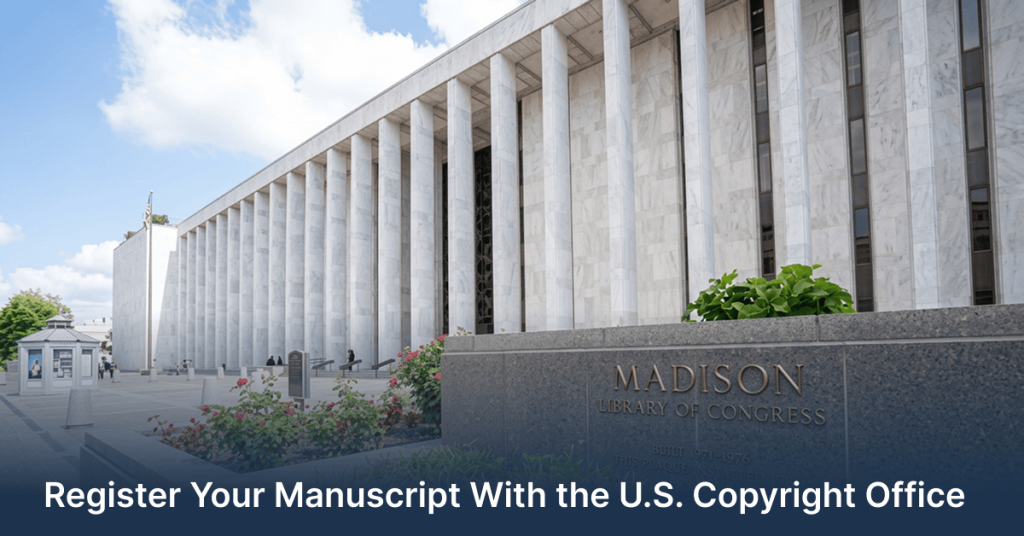
This is the single most useful thing an author can do, and most never bother until after something has already gone wrong.
-
Registration costs 45–65 for a standard online application through copyright.gov.
-
You can register early drafts, not just finished manuscripts, and update the registration later.
- A registered copyright lets you sue for statutory damages (up to $150,000 for willful infringement) and attorney’s fees, without registration, you’re generally limited to proving actual financial losses, which is far harder.
- Registration filed within 5 years of publication is treated as prima facie evidence that the copyright is valid, which shifts the legal burden onto whoever is accused of copying your work.
Step 2: Skip the “Poor Man’s Copyright” Myth
Mailing yourself a sealed copy of your manuscript and never opening the envelope is a piece of writing-community folklore that refuses to die. It has no legal standing in the United States. Courts don’t recognize a postmarked envelope as proof of authorship or ownership, only U.S. Copyright Office registration carries that weight in litigation. Save the postage.
Step 3: Control Who Sees the Draft and How
Most manuscript theft doesn’t come from a stranger hacking your laptop. It comes from a beta reader forwarding a file, a critique partner posting an excerpt for feedback, or a query letter sitting in an agent’s inbox longer than it should. A few habits go a long way:
- Watermark PDF copies with the reader’s name or email before sharing, using free tools or your word processor’s export settings. If a watermarked file surfaces publicly, you know exactly where the leak came from.
- Disable copy/download permissions on Google Docs shares (Viewer or Commenter only, link sharing turned off).
- Use NDAs for professional collaborators, ghostwriters, developmental editors, or co-authors, before you send a full draft.
- Limit beta reader groups to people you actually know, and send excerpts instead of the full manuscript when possible.
- Avoid posting full chapters publicly on writing forums or social media if you plan to traditionally publish; many publishers consider that “prior publication.”
Step 4: Keep a Paper Trail of Everything
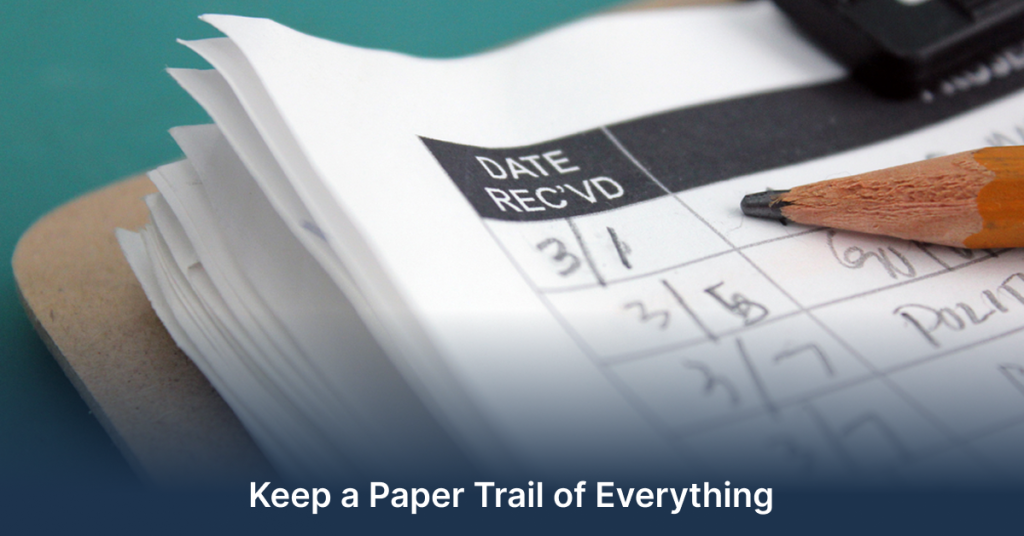
If you ever need to prove you wrote something first, timestamps matter more than most authors realize.
- Save dated drafts in cloud storage (Google Drive, Dropbox) that logs version history automatically.
- Keep your original outline, character notes, and early fragments, these show a development process a copycat usually can’t fake.
- Save query letter timestamps, submission confirmations, and agent correspondence.
- If you post excerpts anywhere public, screenshot the post with the date visible.
None of this replaces registration, but it builds a supporting case if a dispute ever ends up in front of a judge, or even just in front of a publisher trying to figure out who’s telling the truth.
What to Do If Someone Steals Your Manuscript
If you suspect theft has already happened, don’t panic, but do move quickly and methodically.
- Document everything first. Screenshot the infringing content, note URLs, publication dates, and any identifying details before the evidence can be edited or taken down.
- Check your own registration status. If you haven’t registered yet, file immediately, you can still register after discovering infringement, and it strengthens any claim you bring.
- Send a cease-and-desist letter. Many infringement cases resolve at this stage, especially with self-published copycats who didn’t expect pushback.
- File a DMCA takedown notice. If the theft is online, a pirated eBook, a plagiarized blog serial, a stolen manuscript listed on a marketplace, most platforms (Amazon KDP, Wattpad, Google, web hosts) have a formal DMCA process that can remove the content within days.
- Contact a copyright or entertainment attorney. Many offer free consultations for a first read of the situation. If statutory damages are on the table because you registered, this conversation becomes much more productive.
- Report agent or publisher misconduct to organizations like the Authors Guild, which tracks patterns of misconduct across the industry and can offer guidance even if it can’t litigate on your behalf.
If Someone Steals Your Manuscript and Threatens to Publish It Without Returning It
This is a more serious situation than a quiet copycat, and it needs a different response. If someone is holding your manuscript and threatening to publish it unless you meet their demands, you’re dealing with extortion, not just infringement and that changes what tools are available to you.
Stop negotiating directly with them. Don’t send money, don’t argue over email or DMs, and don’t threaten back. Anything you say can be used against you later, and engaging often just confirms you’re rattled enough to keep pushing.- Save every message. Screenshots, timestamps, usernames, email headers, all of it. Threats like this are usually prosecutable, and law enforcement will need the full trail, not a summary.
- Register your copyright the same day, if you haven’t already. This does two things: it gives you legal standing to act fast if they follow through on publishing, and it puts a clear, dated government record of ownership in the file before things escalate further.
- If they do publish, act immediately. File a DMCA takedown with the hosting platform right away, and let your attorney know so they can pursue infringement claims alongside any criminal case.
- Don’t handle it alone. Threats like this are stressful, and it’s easy to make a decision in panic that you can’t undo. Talk to a professional before you respond to the person threatening you. American Publisher’s free consultation can help you figure out the right first move, whether that’s law enforcement, an attorney, or both.
Common Situations Authors Ask About
Can an agent or publisher steal my manuscript if I don’t have an agent yet?
It’s rare, and reputable agents and editors have no professional incentive to risk their careers over one manuscript, but it’s not impossible. Registering your copyright before querying removes the ambiguity entirely.
What if the “theft” is really just similar ideas?
Copyright protects the specific expression of an idea, your particular characters, plot structure, and prose, not the underlying concept. Two authors can write dystopian YA novels about rebellious teenagers without either one infringing on the other. Genuine theft usually involves copied scenes, near-identical dialogue, or lifted structure, not shared tropes.
Does AI training on my manuscript count as theft?
This is an active and unsettled area of U.S. law, with several ongoing lawsuits against AI companies over training data. If you’re concerned about your work being scrapped, avoid posting full manuscripts publicly, and consider registering your copyright so you have standing if the legal landscape shifts in authors’ favor.
Is it worth registering a manuscript I haven’t finished querying yet?
Yes. Registration is far cheaper than litigation, and there’s no rule that says you have to wait until a book is “done” to protect it.
Facing This Right Now?
If you’re dealing with any of this today, a leaked draft, a copycat listing, an agent situation that doesn’t feel right, you don’t have to sort it out alone. American Publisher offers a free one-on-one consultation for authors facing manuscript theft or copyright concerns. We’ll walk through what happened, help you register your copyright if you haven’t, and talk through next steps like NDAs, verification, and takedown requests. Book your free consultation to get a straight answer instead of guessing.
The Bottom Line
Manuscript theft is rarer than writing forums make it sound, but the fix costs less than most people assume: register early, control who has access to your files, and keep records as you go. If something does go wrong, having a registration already on file turns a stressful situation into a fairly straightforward legal one, instead of a fight you’re not equipped to win.