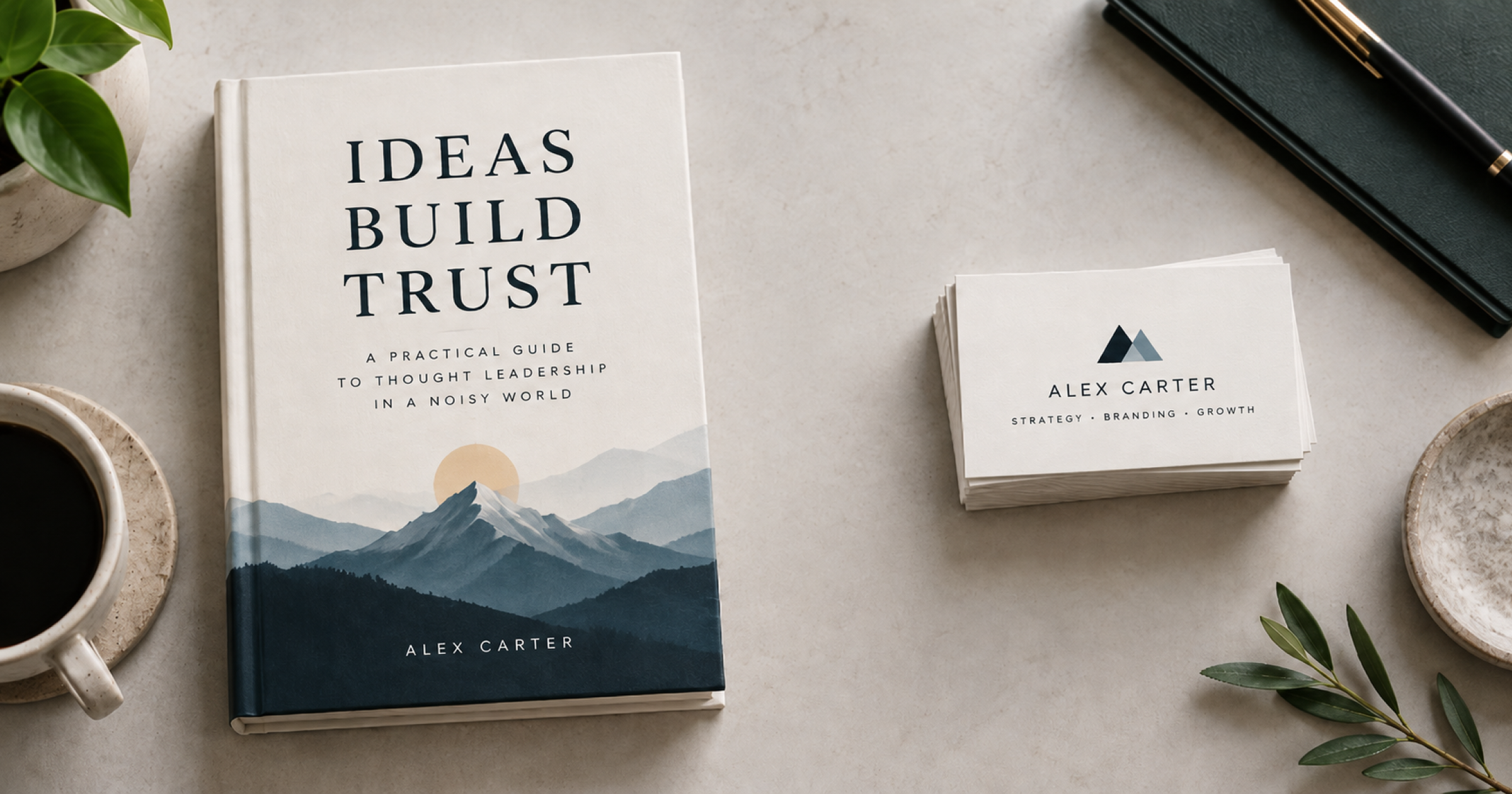
In 2024, Edelman and LinkedIn surveyed more than 3,500 business decision-makers and found that 73% trust an organization’s thought leadership more than its marketing materials or product sheets. That single number is why so many founders, consultants, and coaches now describe a book as business card: something handed over not to close a sale, but to prove they understand the problem before anyone asks. The real question is whether that comparison holds up once you move past the metaphor, or whether it’s just a flattering way to justify a big writing project.
The Book as Business Card Idea, Explained
The phrase borrows its logic from an old networking habit: hand someone a card, and they file it away as a reminder that you exist the next time they need what you sell. A book does the same job with far more weight behind it. Instead of a name and a phone number, a reader gets dozens of pages of evidence that you actually understand their problem. Companies like HubSpot and McKinsey & Company have built entire marketing functions around this idea, publishing research-backed guides instead of brochures, because a reader who finishes a chapter has already decided you know what you’re talking about. Treating a book as business card is really a bet that depth beats a pitch.
Does a Book as Business Card Actually Build Authority?
Yes, according to the data on thought leadership consumption. The 2024 Edelman-LinkedIn B2B Thought Leadership Impact Report found that 52% of decision-makers and 54% of C-suite executives spend an hour or more each week reading long-form expert content, and 90% said they’d be more receptive to sales outreach from a company that consistently publishes high-quality thought leadership. A book works the same way, at a larger scale: it signals competence before a single sales call happens, which is the entire point of positioning a book as business card rather than as a product launch.
What the Data Shows About Trust, Reading Time, and Buying Decisions
The numbers behind this trend are specific enough to act on, not just directional. Each one adds weight to the book as business card argument because it describes behavior, not opinion.
How Decision-Makers Respond to Expert Content (Edelman-LinkedIn, 2024)
Behavior
Share of Decision-Makers
Trust expert content over marketing materials
73%
Spend 1+ hour weekly reading thought leadership
54% (C-suite)
More receptive to outreach after reading quality content
90%
Researched a product they weren’t considering before
75%+
Questioned an existing supplier after reading a competitor’s content
70% (C-suite)
“A book compounds over time. It lives on shelves, shows up in search results for years, gets cited in other content, and sits on the desks of people who matter in your industry long after a social post has disappeared.”
That compounding effect is the part a paper business card can’t touch. A card gets thrown in a drawer. A book, used correctly, keeps working.
Where the Book as Business Card Comparison Breaks Down
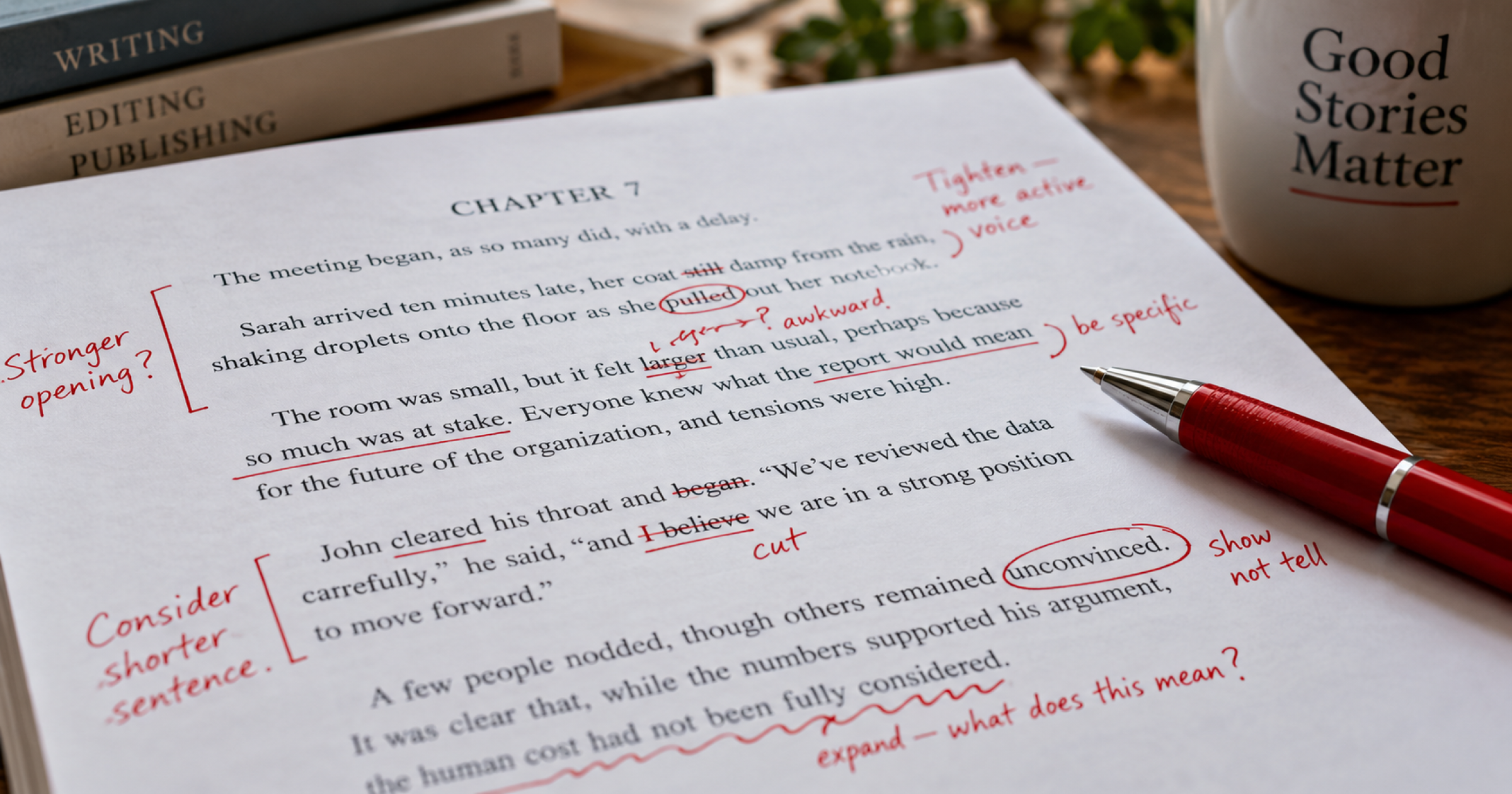
The metaphor stops working the moment the book is thin, generic, or obviously rushed. A business card costs almost nothing to hand out, so a bad one does no damage. A book takes a reader’s time, sometimes several hours of it, and if that time isn’t repaid with genuinely useful insight, the credibility move backfires. Research from groups like the Nonfiction Authors Association consistently points to the same pattern: a weak book is remembered as a weak book, not as a good try. Positioning a book as business card only works when the writing, structure, and editing meet the standard of the industry the author is trying to enter, which is why writer’s block and rushed first drafts are such common reasons projects stall before they ever reach a reader. If you’re stuck at that stage, structured help for finishing a manuscript is often the difference between a credibility asset and an abandoned file.
How Businesses Turn an Ebook Into a Credibility Asset
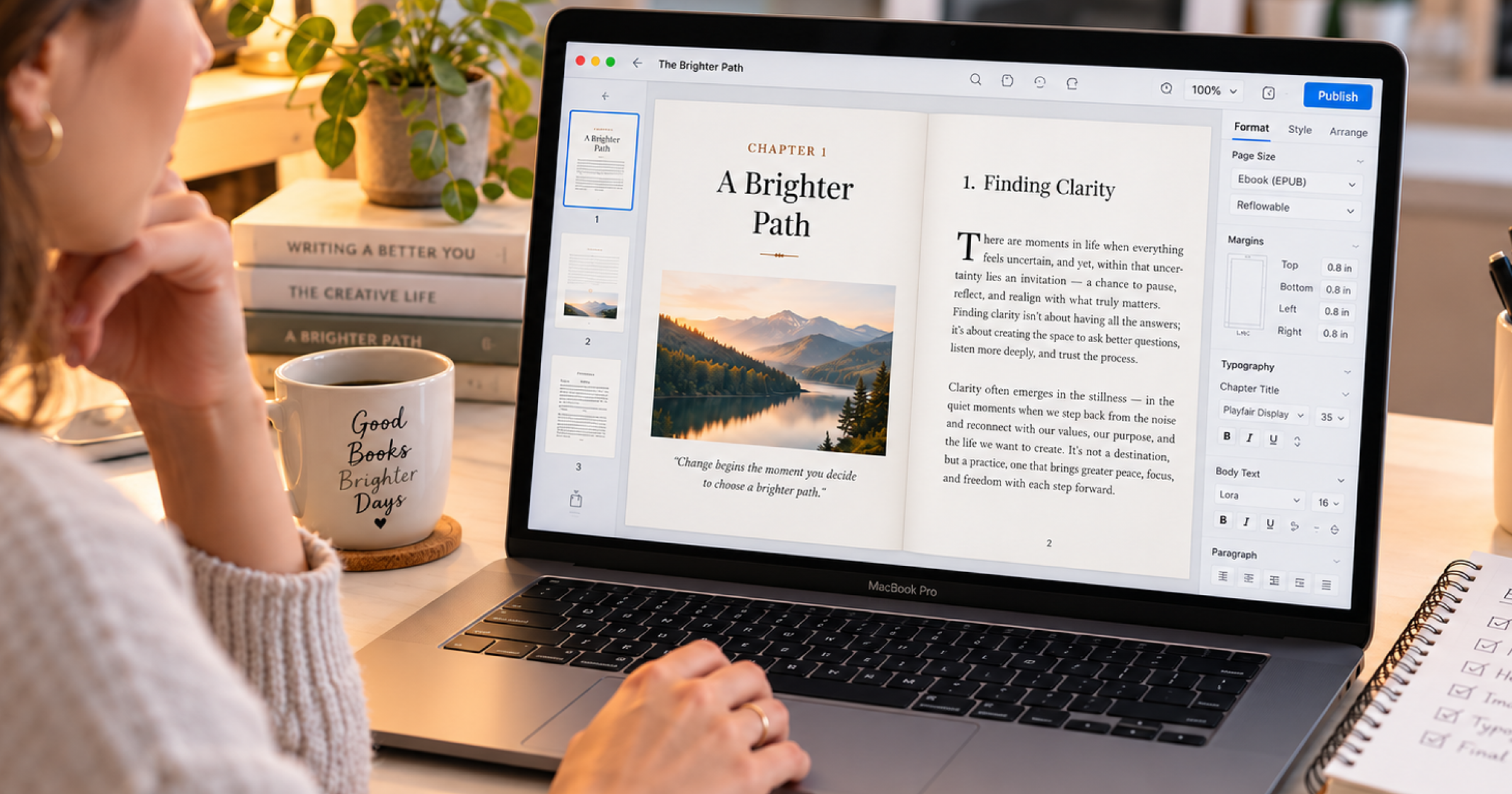
Most companies that succeed with this approach treat the book as a system, not a one-off project. Every tactic below exists to make the book as business card idea survive first contact with a skeptical buyer. They start with non-fiction ebook writing built around a specific, named problem their audience already searches for, pair it with professional cover design so it reads as a serious product rather than a PDF handout, and format it correctly for Kindle, Apple Books, and EPUB so it displays cleanly wherever a prospect opens it. For founders without the time to write it themselves, bringing in a professional ebook writer is usually faster and cheaper than the months lost to a stalled draft. Businesses in finance, coaching, and consulting lean especially hard on business and self-help ebooks for exactly this reason: the format matches how their buyers already evaluate expertise.
What This Means for Your Next Move
The data doesn’t say every business needs a book. It says the businesses already winning trust in crowded markets are the ones whose expertise shows up in a format buyers are primed to respect, read, and cite before they ever take a call. A book as business card isn’t a replacement for sales conversations or a website; it’s the thing that makes a buyer walk into that conversation already convinced you’re worth talking to. The companies betting on that shift aren’t publishing because it’s trendy. They’re publishing because the research now backs what used to be a gut feeling: a reader who finishes your book has already done half the work of becoming a client.